

Optimizing Audience Growth with Data
What if you could transform your audience engagement strategies through the power of data? By understanding your audience more deeply, you can cultivate lasting relationships that drive success. Let's explore the key insights into audience development and data analytics.
What You Will Learn
- The essence of audience development lies in building meaningful relationships and understanding audience preferences.
- Data analytics tools are crucial for measuring engagement metrics, helping refine content strategies and identify trends.
- Selecting the right analytics tools can significantly enhance your ability to track and analyze audience engagement.
- Regularly reviewing and adjusting your strategies based on audience feedback is vital for continuous improvement.
The Audience Development Cycle: Data-Driven Optimization
This visual illustrates the cyclical process of audience development, highlighting the integral role of data analytics in each stage to achieve continuous improvement and measurable results.
1. Define Objectives & Identify Audience
Clearly define audience goals and demographics. Utilize data to understand existing audience and target new segments.
2. Implement Tools & Track Metrics
Integrate platforms like Sprout Social or HubSpot to monitor engagement rates, follower growth, and content performance.
3. Analyze Data & Gain Insights
Regularly review data for trends, audience preferences, and opportunities. Identify successful content and areas for improvement.
4. Refine Strategy & Optimize Content
Adjust content strategy, messaging, and campaign approaches based on insights to better align with audience sentiments and needs.
Understanding the Role of Data Analytics in Audience Development
In today’s digital landscape, audience development is more crucial than ever. But what does it really mean? Simply put, audience development is about building and nurturing relationships with your target audience. This process goes beyond just attracting followers—it involves understanding their preferences, behaviors, and needs in order to engage them genuinely. At the Likers Network, we understand that cultivating a loyal audience can significantly enhance your impact in the online world.
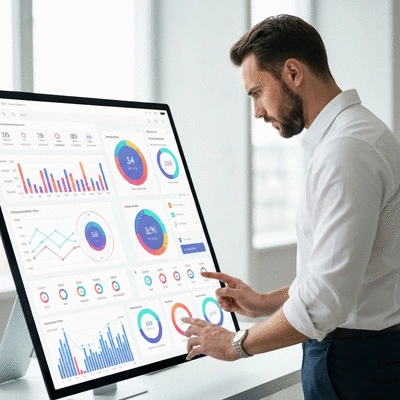
Why does audience development matter? When you invest time and resources into understanding your audience, you're not only improving engagement but also fostering a sense of community. This can lead to increased loyalty, higher conversion rates, and ultimately, greater success for your brand. As a digital strategist, I've seen firsthand how a well-defined audience can transform a brand’s online presence.
What is Audience Development and Why It Matters
At its core, audience development is about strategically growing your community around your brand. It's about knowing who your audience is, where they hang out online, and how to effectively reach them. This is where data analytics enters the picture, providing the insights needed to shape your audience development strategies.
- Establishing a clear understanding of your audience demographics
- Identifying the platforms they use and their engagement habits
- Creating targeted content that resonates with their interests
Through these efforts, you'll not only attract more followers but also build a vibrant community that actively participates in your brand's journey. This is what the Likers Network strives for—empowering individuals and brands alike to cultivate genuine connections online!
The Importance of Data Analytics Tools in Measuring Audience Growth
Data analytics tools are essential for tracking the success of your audience development efforts. These tools allow you to measure key metrics such as engagement rates, follower growth, and content performance. By analyzing this data, you gain valuable insights that inform your strategy moving forward.
- Improving your content strategy based on audience preferences
- Identifying trends that can lead to new opportunities
- Adjusting your messaging to better align with audience sentiments
At Likers Network, we emphasize the need for continuous improvement through data. Understanding how your audience interacts with your content isn't just beneficial—it's vital for long-term success in the ever-evolving digital landscape.
Popular Data Analytics Tools for Audience Development: An Overview
There’s no shortage of data analytics tools available, each offering unique features to assist in audience development. Choosing the right tools can make a significant difference in how effectively you track and analyze your audience engagement.
- Google Analytics: A powerful tool for tracking website traffic and user behavior.
- Sprout Social: Excellent for social media insights and engagement metrics.
- HubSpot: A comprehensive platform that combines marketing, sales, and analytics.
- Hootsuite Insights: Offers in-depth social media analysis and audience segmentation.
Using the right analytics tools allows you to gather actionable insights that guide your audience development strategies. Remember, the goal is not just to gather data, but to harness it for meaningful engagement that resonates with your community.
Pro Tip
To truly enhance your audience development strategies, consider implementing predictive analytics. This powerful tool not only assesses past audience behaviors but also forecasts future trends. By anticipating what your audience may want next, you can tailor your content and engagement strategies to better meet their evolving needs, ensuring they remain invested in your brand.
Summarizing Key Takeaways for Audience Development Optimization
As we wrap up our exploration of audience development, it's vital to highlight the core components that can lead to measurable success. Implementing analytics tools effectively can transform the way you understand and engage with your audience. Now, let’s break down some key takeaways to optimize your audience development strategies.
- Identify the right metrics that align with your audience goals.
- Leverage advanced analytics tools to gather actionable insights.
- Regularly review and adjust your strategies based on audience feedback and behavior.
Remember, the journey doesn’t end here! By continually refining your approach, you’ll create a more dynamic engagement with your audience. I always believe in the importance of learning from our audience, and this process is essential for growth.
Implementing Analytics Tools for Measurable Results
When it comes to audience development, implementing the right analytics tools is crucial for obtaining measurable results. Start by familiarizing yourself with the features of different tools. Here are some effective steps to follow:
- Define your audience development objectives clearly.
- Select tools that provide the metrics you need to track progress.
- Integrate tools with your existing systems for a comprehensive view.
- Analyze the data regularly to refine your strategies.
By following these steps, you can create a robust framework that not only tracks progress but also enhances your understanding of audience behavior. At Likers Network, we've seen how data can unlock powerful insights!
Next Steps: Creating Your Own Audience Development Strategy
After implementing analytics tools, the next natural step is crafting your own audience development strategy. This is where the fun begins! Consider the following elements as you design your strategy:
- Establish clear objectives tailored to your audience's needs.
- Utilize audience segmentation to deliver personalized content.
- Incorporate feedback loops for continual improvement.
Remember, an effective strategy is iterative! Regularly revisiting and revising your approach can lead to more engaged audiences. Your journey in audience development is unique, and I'm excited to see how you shape it!
Encouraging Continuous Improvement Through Data
Continuous improvement is the name of the game in audience development. With the right data analytics at your disposal, you can stay ahead of trends and adapt effectively. Let's delve into how you can foster this ongoing process.
Monitoring Your Audience Engagement: A Recurring Process
Monitoring audience engagement isn't just a one-time task; it's an ongoing process that should be woven into the fabric of your digital strategy. Here are some tips to keep in mind:
- Regularly check analytics dashboards for engagement trends.
- Conduct surveys to gather direct feedback from your audience.
- Adjust your content strategy based on engagement metrics.
By making engagement monitoring a routine practice, you'll gain valuable insights that can guide your future content decisions. It’s all about understanding your audience better!
How to Use Insights for Future Marketing Campaigns
Insights gained from audience analytics can significantly enhance your marketing campaigns. As discussed in a publication by PMC NCBI, understanding consumer behavior through data is crucial for effective marketing. Here’s how to effectively use these insights:
- Analyze past campaign data to identify what worked and what didn’t.
- Leverage audience segmentation to tailor campaigns for specific demographics.
- Test various approaches and iterate based on audience responses.
By incorporating data-driven insights, you’ll craft campaigns that resonate more deeply with your audience. This is a game-changer in the attention economy!
Evaluating the Impact of Social Media Analytics on Audience Growth
Finally, don't overlook the role of social media analytics in your audience growth strategy. By evaluating these metrics, you can uncover valuable trends and insights. For instance, the use of Artificial Intelligence in Advertising, as highlighted by SAGE, can significantly enhance predictive capabilities in social media marketing. Additionally, research published by the ACM Digital Library illustrates how data-driven approaches can optimize digital advertising strategies for better audience engagement.

- Track engagement rates across different platforms.
- Identify which content types generate the most interaction.
- Use social listening tools to gauge audience sentiment.
Harnessing the power of social media analytics will enable you to not only grow your audience but also foster lasting connections. At Likers Network, we see incredible potential in how social dynamics influence engagement!
Frequently Asked Questions (FAQs)
What is audience development?
Audience development is the strategic process of building and nurturing relationships with your target audience by understanding their preferences, behaviors, and needs to foster genuine engagement and loyalty.
Why are data analytics tools important for audience development?
Data analytics tools are crucial because they allow you to track key metrics like engagement rates, follower growth, and content performance. This data provides valuable insights to refine content strategies, identify trends, and adjust messaging to align with audience sentiments, leading to continuous improvement and measurable results.
Which data analytics tools are recommended for audience development?
Popular tools include Google Analytics for website traffic and user behavior, Sprout Social for social media insights, HubSpot for comprehensive marketing and sales analytics, and Hootsuite Insights for in-depth social media analysis and audience segmentation.
How can I use insights from audience analytics for future marketing campaigns?
You can use insights by analyzing past campaign data to understand what worked, leveraging audience segmentation to tailor campaigns for specific demographics, and testing various approaches based on audience responses to craft more resonant campaigns.
What is the role of continuous improvement in audience development?
Continuous improvement is vital for staying ahead of trends and adapting effectively. It involves regularly monitoring engagement, gathering direct feedback through surveys, and adjusting content strategies based on engagement metrics to ensure ongoing growth and dynamic audience engagement.
Recap of Key Points
Here is a quick recap of the important points discussed in the article:
- Understand your audience demographics to effectively engage with them.
- Utilize data analytics tools like Google Analytics and Sprout Social to track engagement and growth.
- Adjust your content strategy based on audience preferences and feedback for continuous improvement.
- Implement a systematic approach to monitor audience engagement and use insights for future marketing campaigns.
- Craft a personalized audience development strategy that incorporates segmentation and feedback loops.




Convert Followers into Customers
Join Niche Communities to Grow Audience
Social Media Trends for Engagement
Staying Relevant in Digital Culture
Measuring Social Media Effectiveness