
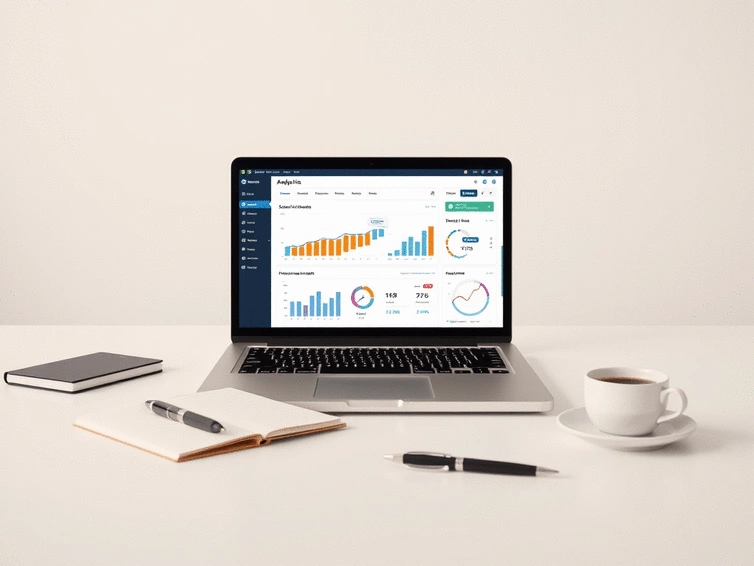
Measuring Social Media Effectiveness
What if understanding social media metrics could unlock the potential of your brand? In a landscape where engagement is key, knowing how to measure success is not just beneficial—it’s essential.
What You Will Learn
- Identifying Relevant KPIs: Learn to select key performance indicators that align with your business objectives.
- Defining Success: Understand how to define what success looks like for your specific brand needs.
- Aligning Strategy with Goals: Discover how to ensure your social media KPIs are in sync with your broader business goals.
- Continuous Improvement: Embrace the importance of ongoing optimization based on data-driven insights.
Key Pillars of Social Media Success Measurement
Understanding the impact of your social media efforts hinges on a clear strategy. Below are the core components that drive and define social media success, ensuring every action contributes to your business goals.
Understanding the Importance of Measuring Social Media Success
In today’s digital age, measuring social media success is more crucial than ever. It allows businesses to understand their audience, tailor content, and connect effectively. But how do we define that success? This is where key performance indicators (KPIs) come into play! By identifying the right metrics, we can turn our social media efforts into tangible results.
At Likers Network, we believe that measuring success isn’t just about numbers; it’s about understanding the impact those numbers have on your overall business strategy. Are you looking to boost brand awareness? Drive traffic? Ultimately, how we measure success guides our actions and strategies moving forward. Social media platforms themselves play a significant role in enabling this measurement, as highlighted in a recent report by the FTC on social media business models.
The Role of Key Performance Indicators (KPIs) in Social Media Strategy
KPIs serve as the compass for your social media strategy, helping you navigate through the vast ocean of data. These metrics not only measure performance but also align with broader business goals. By selecting KPIs that resonate with your objectives, you set the foundation for success.
- Engagement metrics: Indicating how well your audience interacts with your content
- Awareness KPIs: Measuring brand visibility and reach
- Conversion metrics: Tracking actions taken by your audience
When you align your KPIs with your business goals, you create a clear roadmap. For instance, if your goal is to increase sales, tracking conversion rates becomes essential. This focus ensures that your social media efforts contribute directly to your bottom line! The effectiveness of such strategies can be further enhanced by leveraging digital public infrastructure, as discussed in the GovStack e-book.
Defining Social Media Success for Your Business
Success looks different for everyone. For some, it might mean a higher number of followers; for others, it’s about increased website traffic. At Likers Network, we emphasize the importance of defining what success means for your business before diving into metrics.
Here’s a quick guide to help you define success:
- Identify your primary goals (brand awareness, engagement, sales)
- Consider your target audience and what they value
- Choose metrics that reflect your goals effectively
Your unique definition of success sets the stage for a targeted and effective social media strategy. Remember, it’s all about what resonates with you and your audience!
How KPIs Align with Business Goals and Objectives
Aligning KPIs with your business goals creates a cohesive strategy that propels your brand forward. For example, if you aim to enhance customer engagement, tracking your engagement rate becomes vital. It’s about creating a feedback loop that informs and improves your overall strategy.
Here’s how you can ensure your KPIs align with your objectives:
- Regularly review your business goals to stay updated
- Adjust KPIs as necessary to reflect changes in strategy
- Communicate with your team about shared objectives and metrics
By maintaining this alignment, you foster a culture of success, where each team member understands their role in achieving common goals. Together, we can navigate the complexities of social media with clarity and purpose!
Core Social Media Metrics Every Marketer Should Track
Tracking the right metrics is crucial for understanding your social media performance. It’s not just about collecting data; it’s about interpreting it to inform your strategy. Here are some core metrics every marketer should keep on their radar!
- Engagement metrics: These help gauge how your audience interacts with your posts
- Awareness KPIs: These assess how effectively you reach new potential customers
- Conversion metrics: These show how many of your engaged users take action
By focusing on these key metrics, you ensure that your social media strategy is aligned with your business objectives and continuously evolving to meet your audience's needs. Understanding these metrics can also help measure the impact and results of communication efforts, similar to how global media agencies assess their reach.
Pro Tip
Did you know? Regularly revisiting your defined social media goals can significantly enhance your strategy. As your brand evolves, so should your KPIs. Make it a habit to review and adjust your metrics to reflect changes in your business objectives and audience preferences.
Frequently Asked Questions About Measuring Social Media Success
What are the most important social media metrics to track?
The most important metrics depend on your business goals. Generally, engagement metrics (likes, comments, shares), awareness KPIs (reach, impressions), and conversion metrics (click-through rates, sales) are crucial for understanding performance.
How do I define success for my social media efforts?
Define success by aligning it with your primary business objectives. For example, if your goal is brand awareness, success might be measured by increased reach and followers. If it's sales, then conversion rates and ROI are key indicators.
Why is aligning KPIs with business goals important?
Aligning KPIs with business goals ensures that your social media activities directly contribute to broader organizational objectives. This creates a focused strategy, helps allocate resources effectively, and provides clear benchmarks for evaluating success.
What is continuous optimization in social media measurement?
Continuous optimization involves regularly analyzing data insights from your social media performance, identifying what works and what doesn't, and then refining your strategies and content based on these findings to improve future results.
How can social media listening tools help my strategy?
Social media listening tools help you monitor conversations about your brand, industry, and competitors. This provides valuable insights into audience sentiment, emerging trends, and content effectiveness, allowing you to tailor your strategy for better engagement and relevance.
Summarizing Your Path to Social Media Success
As we journey through the world of social media measurement, it’s crucial to pause and reflect on the key takeaways that will guide us toward success. Understanding how to measure social media performance is not just about crunching numbers; it's about leveraging those insights for tangible business growth. To truly maximize your efforts, you need to focus on metrics that matter and understand their impact on your overall strategy.
Emphasizing the importance of clear metrics allows us to align our social media efforts with the broader goals of our businesses. As I emphasize in my work at Likers Network, the right metrics can transform the way we engage with our audience, ensuring that every post, tweet, and story serves a purpose.
Key Takeaways on Measuring Social Media Performance
- Know Your Metrics: Identify which KPIs align with your objectives.
- Impact on Growth: Understand how engagement, reach, and conversions influence your business.
- Continuous Optimization: Use data-driven insights to refine strategies and improve performance.
Each of these takeaways is vital for anyone looking to thrive in the ever-changing landscape of social media. For instance, knowing your metrics means you can pinpoint what resonates with your audience. This, in turn, fuels growth and enhances your brand's presence in a crowded market.
By continuously optimizing your strategies based on the insights gathered from your performance data, you'll not only improve your engagement but also increase your chances of conversion. This approach is essential as you navigate the complexities of the attention economy, making every interaction count!
Understanding Your Metrics and Their Impact on Business Growth
Understanding the metrics you’re tracking means knowing how they can directly affect your business growth. As someone who has witnessed firsthand the power of social media analytics at Likers Network, I can’t stress enough how vital it is to align these metrics with your overarching business goals.
For example, if your goal is to increase brand awareness, tracking metrics like reach and impressions should be at the forefront of your analysis. On the other hand, if you’re focusing on conversion, metrics like conversion rates and customer acquisition costs will be more relevant. This nuanced understanding ensures that your efforts are strategic and purposeful.
Optimizing Strategies Based on Data Insights
Once you have a clear grasp of your metrics, the next step is to optimize your strategies accordingly. Data insights are a treasure trove of information waiting to be unlocked! They allow you to identify trends, discover what content drives engagement, and even highlight areas for improvement.
- Analyze Engagement Patterns: Look for peaks in engagement to identify successful content types.
- Test and Iterate: Regularly experiment with different formats and posting times based on insights.
- Solicit Feedback: Engage with your audience to understand what they value most.
This continuous cycle of testing, analyzing, and optimizing is key to staying relevant and effective in your social media efforts. By focusing on data-driven insights, you can make informed decisions that lead to authentic engagement and, ultimately, growth.
Next Steps: Implementing Your Social Media Measurement Strategy
Now that we've laid out the essentials of measuring social media success, it's time to take actionable steps to implement this knowledge. Having a clear strategy is crucial in navigating the digital landscape and ensuring you’re not just spinning your wheels.
At Likers Network, we believe that a well-thought-out measurement strategy can set you apart from the competition. Let's explore some actionable tips that can help you track your social media KPIs effectively!
Actionable Tips for Tracking Social Media KPIs
- Create a Reporting Template: Standardize your reporting process for ongoing analysis.
- Encourage Team Alignment: Ensure everyone understands and is working towards the same social media goals.
- Leverage Social Media Listening: Use tools to monitor conversations around your brand for enhanced engagement.
By creating a clear reporting template, you can maintain consistency in your analysis, making it easier to track progress and pivot strategies when needed. Encouraging alignment around social media goals ensures that your entire team is engaged in the process, fostering a culture of collaboration.
Lastly, social media listening tools can provide valuable insights into how your audience perceives your brand. This feedback is invaluable in creating content that not only resonates but also drives higher engagement rates.
Recap of Key Points
Here is a quick recap of the important points discussed in the article:
- Know Your Metrics: Identify which KPIs align with your business objectives to measure success effectively.
- Define Success: Tailor your definition of success to reflect your primary goals like brand awareness, engagement, or sales.
- Align KPIs with Goals: Regularly review and adjust your KPIs to ensure they resonate with your evolving business strategy.
- Track Core Metrics: Focus on engagement, awareness, and conversion metrics to evaluate your social media performance.
- Continuous Optimization: Utilize data insights to refine your strategies and enhance engagement and conversions.





Goals & Objectives
Identify primary aims: brand awareness, engagement, or sales. This sets the foundation for your measurement strategy.
Key Performance Indicators (KPIs)
Select metrics that directly reflect your goals: engagement rates, reach, conversion rates, etc.
Data Analysis & Insights
Interpret data to understand patterns, identify successful content, and areas for improvement.
Continuous Optimization
Refine strategies based on insights, testing new approaches and adjusting as needed for ongoing growth.