
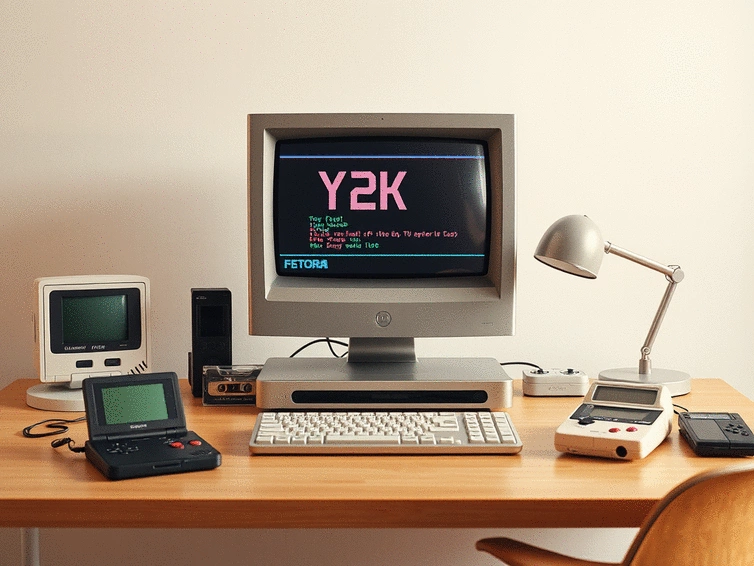
Nostalgia's Role in Digital Culture
As we navigate an increasingly complex digital landscape, nostalgia emerges as a powerful emotional anchor. Reflecting on cherished memories not only offers comfort but also fosters connection among communities. How can we leverage this universal sentiment to enhance our online interactions?
What You Will Learn
- Nostalgia evokes emotional resonance, connecting us to positive memories and enhancing our sense of happiness.
- The release of dopamine during nostalgic reflection makes past experiences feel more fulfilling and desirable.
- In times of uncertainty, nostalgia acts as a coping mechanism, providing stability and familiarity amid chaos.
- Community-driven discussions about nostalgic moments strengthen bonds and encourage shared storytelling.
- Emerging technologies like AI and AR are set to revolutionize how we experience and engage with nostalgia in the future.
- Nostalgia varies across cultures, enriching global digital interactions by connecting individuals through shared traditions and histories.
The Future of Nostalgia in Digital Culture: Evolution Beyond 2025
This visual outlines key factors driving the evolution of nostalgia in digital culture and its global manifestations, highlighting how technology and cultural diversity shape our future engagement with the past.
How Nostalgia Will Evolve Beyond 2025
- ●AI-Powered Experiences: Personalized content curation.
- ●Virtual Reality Reunions: Relive significant past moments.
- ●Augmented Reality Enhancements: Overlay nostalgic elements in daily life.
Global Perspectives on Nostalgia Trends
- ●Asia: Traditional practices & festivals.
- ●Latin America: Music, dance, historical events.
- ●Africa: Revival of traditional art & storytelling.
Understanding the Rise of Nostalgia in Digital Culture
The digital landscape is buzzing with a powerful undercurrent of nostalgia, and it’s fascinating to see how it resonates, especially with Gen Z. Nostalgia taps into our emotional landscape, enriching our online experiences with feelings of comfort and security. As we dive deeper into this phenomenon, it’s essential to explore the psychological appeal behind it and what makes it so engaging for today’s audiences!
At Likers Network, we’ve been analyzing these trends closely. It’s intriguing to note how dopamine plays a role in nostalgia, enhancing our memories and making past experiences feel more vibrant and fulfilling. This emotional connection can often act as a beacon, drawing users back to simpler times—times that feel less chaotic compared to today’s whirlwind of digital interactions.
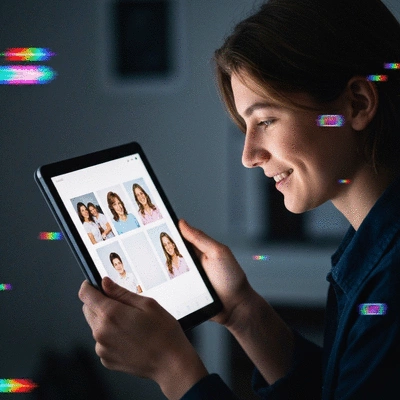
The Psychological Appeal of Nostalgia in 2025
So, what exactly makes nostalgia so appealing? Here are some key factors driving this trend:
- Emotional Resonance: Nostalgia connects us to positive memories, evoking feelings of warmth and happiness.
- Dopamine Release: The brain releases dopamine when we reflect on cherished past moments, making us crave those experiences.
- Comfort in Uncertainty: In a rapidly changing world, nostalgic memories provide a sense of stability and familiarity.
By embracing nostalgia, we not only create joyful connections to our past but also foster a sense of community among those sharing similar experiences. It’s a beautiful reminder that we’re not alone in our feelings and that others share our journeys.
Nostalgia as a Coping Mechanism for Digital Fatigue
As we navigate the fast-paced digital environment, it's no surprise that many find themselves feeling overwhelmed. This is where nostalgia emerges as a vital coping mechanism. In times of social fragmentation and constant sensory overload, looking back at simpler times can provide much-needed relief.
Here are a few reasons why nostalgia can be a refuge:
- Emotional Escape: It allows individuals to step back from the present chaos.
- Community Connection: Nostalgic themes foster interactions and shared experiences among users.
- Personal Reflection: Reflecting on past experiences can lead to deeper self-understanding and emotional healing.
At Likers Network, we often encourage our community to engage in discussions about their nostalgic moments. This exchange not only enriches our understanding of digital culture but also strengthens the bonds we share through storytelling. For further insights into how digital nostalgia functions on platforms, you can refer to this research exploring digital nostalgia on visual media platforms.
The Role of Memory Lane in Modern Nostalgic Experiences
Reflecting on personal memories is a powerful way to navigate our collective nostalgia. This journey down memory lane influences the shared experiences that shape our digital culture today. It’s fascinating how personal stories can resonate on a larger scale, bringing us closer together.
Here’s how individual memories feed into our community’s nostalgia:
- Shared Stories: Personal anecdotes often strike a chord with others, creating a tapestry of shared experiences.
- Cultural References: Nostalgic moments tied to specific cultural phenomena evoke a sense of belonging.
- Emotional Bonds: The act of sharing memories can create deeper connections between individuals.
In essence, memory lane is not just a reflection of the past; it’s a bridge to the future, helping us understand the evolving dynamics of our digital interactions. By engaging with these shared memories, we can cultivate a more inclusive and understanding digital environment.
We Want to Hear From You!
What nostalgic memory brings you the most joy? Share your thoughts below and let’s explore how these moments shape our digital culture together:
Looking Ahead: The Future of Nostalgia in Digital Culture
As we peer into the future, nostalgia is set to evolve in fascinating ways. With rapid technological advancements and shifting cultural landscapes, the way we experience nostalgia will likely transform, influencing how we create and consume digital content. Think about it—what might nostalgia look like in a world dominated by AI and virtual reality?
In 2025 and beyond, I anticipate we’ll see trends that blend our cherished memories with cutting-edge technology. This will lead to a new wave of nostalgic experiences, merging sentimentality with interactive elements that keep us engaged and connected.
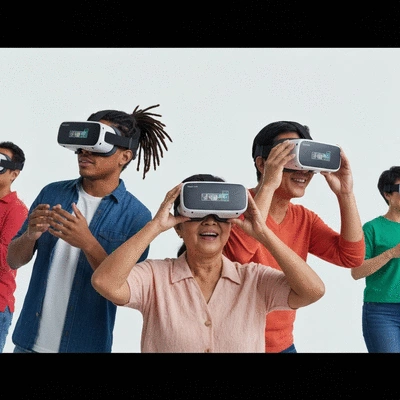
How Nostalgia Will Evolve Beyond 2025
In the next few years, we can expect nostalgia to manifest in various innovative forms, spurred by advancements in technology. Here are some potential trends:
- AI-Powered Nostalgic Experiences: Imagine AI curating personalized nostalgic content based on your social media interactions!
- Virtual Reality Reunions: Virtual reality could recreate significant moments from the past, allowing us to "relive" our favorite memories.
- Augmented Reality (AR) Enhancements: AR could overlay nostalgic elements in our daily lives, enriching experiences with the past while we navigate our present.
These innovations will likely deepen our connections to nostalgia, making it an integral part of our digital interactions. As someone who studies digital culture, I can’t help but feel excited about these possibilities! For more on how social media platforms leverage nostalgia, explore this article on digital nostalgia and social media.
The Global Perspective on Nostalgia Trends
Nostalgia is not a one-size-fits-all experience; it varies widely across cultures. From Asia to Africa, different regions embrace nostalgia in unique ways. Here’s a snapshot of how nostalgia trends manifest around the globe:
- Asia: In many Asian cultures, nostalgia often revolves around traditional practices and festivals that evoke a sense of belonging.
- Latin America: Here, nostalgia frequently intertwines with music and dance, reflecting on historical events and cultural pride.
- Africa: Nostalgic expressions can be seen in the revival of traditional art and storytelling, connecting younger generations with their heritage.
This global diversity enriches the concept of nostalgia, making it a robust theme that transcends borders. At Likers Network, I’m passionate about exploring these differences and what they mean for our digital experiences. For a broader look at nostalgia's role in digital media, you can read this insightful piece on digital nostalgia in communication.
Nostalgic Experiences in Augmented Reality and Interactive Media
Augmented reality (AR) and interactive media are set to reshape how we connect with our past. These technologies hold the potential to create immersive nostalgic experiences that engage users like never before. Imagine walking through a familiar neighborhood, with AR overlays bringing back *hidden* memories and stories tied to each location!
As we move forward, I envision a world where:
- AR Apps: Users can access historical content related to significant places, making everyday experiences richer and more meaningful.
- Interactive Storytelling: Brands can craft narratives that allow users to engage with their products on a nostalgic level, creating deeper emotional connections.
- Community-Driven Content: Users share their nostalgic experiences, fostering a sense of belonging and collaboration in the digital space.
By harnessing the power of AR and interactive media, brands can tap into nostalgia in ways that truly resonate. This approach not only drives engagement but also builds a vibrant community around shared experiences.
FAQs About Nostalgia in Digital Culture
- Q: Why is nostalgia so prevalent in digital culture?
- A: Nostalgia provides emotional comfort, security, and a sense of connection, especially in an increasingly complex digital world. It taps into positive memories and can act as a coping mechanism for digital fatigue.
- Q: How does dopamine relate to nostalgic experiences?
- A: The brain releases dopamine when we reflect on cherished past moments, making those experiences feel more vibrant and fulfilling, which encourages us to seek them out again.
- Q: How will technology enhance nostalgic experiences beyond 2025?
- A: AI will curate personalized nostalgic content, VR will enable users to "relive" past moments, and AR will overlay nostalgic elements into daily life, creating immersive and interactive experiences.
- Q: Does nostalgia manifest differently across cultures?
- A: Yes, nostalgia is culturally diverse. For example, in Asia, it often revolves around traditional practices; in Latin America, it intertwines with music and historical events; and in Africa, it's seen in the revival of traditional art and storytelling.
- Q: How can brands leverage nostalgia in their digital strategies?
- A: Brands can use AR apps to provide historical context, craft interactive storytelling that connects with users on an emotional level, and foster community-driven content where users share their nostalgic experiences.
Recap of Key Points
Here is a quick recap of the important points discussed in the article:
- Emotional Resonance: Nostalgia connects us to positive memories, evoking warmth and happiness.
- Dopamine Release: Reflecting on cherished past moments enhances our emotional experience.
- Coping Mechanism: Nostalgia provides an escape from the chaos of the digital world, fostering connections and self-reflection.
- Innovative Trends: Expect to see AI, VR, and AR shaping nostalgic experiences in the future.
- Global Perspective: Nostalgia manifests differently across cultures, enriching our understanding of digital interactions.




Convert Followers into Customers
Join Niche Communities to Grow Audience
Social Media Trends for Engagement
Staying Relevant in Digital Culture
Measuring Social Media Effectiveness